
Scale Educational Admissions Using Performance Marketing Strategies
- Targeted Student Lead Generation
- Data-Driven Campaign Optimization
- High-Converting Ad Creatives
- Multi-Channel Marketing Approach
- ROI-Focused Advertising Strategy
- Continuous Performance Tracking
- Smart Budget Allocation Strategy
Request a Quote
Performance Marketing for Educational Institutes: A Complete Guide to Getting More Admissions in 2026

Most coaching institute owners who contact us have already tried two or three things. A new website. Google Ads for a couple of months. A Facebook campaign. Maybe a Justdial listing or two, and still — 20 enquiries coming in when the batch needs 80.
The courses are good, the faculty is experienced, the fees are fair. We hear this every single time, and the honest answer is almost always the same — the problem is not the coaching. The problem is the system behind the marketing or more often, the complete absence of one.
This guide is for coaching owners, institute directors, tuition centre managers, school principals, and marketing heads who are done guessing what is working.
We cover every segment — UPSC, NEET/JEE, SSC/Banking, CA/CS, school admissions, play schools, skill training, EdTech, and overseas education.
Every point here is backed by real campaign numbers from actual institutes across India. No theory. No filler. Real numbers, real situations, and direction you can use right now.
Table of Contents
Why Coaching Institute Ads Are Not Giving Results — The Real Reasons in 2026
You are not alone in this. A Meritto study found that over 68% of education institutes in India report that their cost per enquiry has increased significantly over the past two years — while batch fill rates have stayed flat or declined. Money going out. Batches are still half-empty.
The issue is almost never the product. It is the gap between what your ads are doing and what a complete marketing system should be doing.
You Are Getting Clicks but Not Enquiries — Here is the Exact Difference
A click means someone saw your ad and visited your page. An enquiry means they filled the form or picked up the phone. Most coaching institutes are winning on clicks and losing badly on enquiries.
This is not an ad problem. It is a conversion problem, and the two require completely different fixes.
The industry benchmark for a standard coaching institute homepage is a 1–2% conversion rate. A dedicated, course-specific landing page converts at 6–15%.
On a ₹50,000 monthly ad budget, that difference means 15 enquiries versus 90 enquiries. Same budget, same ads. Five times more results — just because of where the visitor lands after clicking.
Why 5,000 Impressions and 4 Enquiries is a System Problem, Not a Budget Problem
Many institute owners see low enquiries and immediately think: more budget, but adding money to a broken system only burns it faster.
If your campaign is generating 5,000 impressions and 4 enquiries, the problem is almost certainly one of three things — targeting that is too wide, a landing page that was not built for conversion, or ad copy that does not match what the searcher actually wanted.
None of these are fixed by spending more. Each has a specific solution, and none of them cost extra money.
The Three Core Reasons Most Coaching Institute Campaigns Quietly Fail
- First — targeting too broad. Showing a UPSC coaching ad to all of India, or a school admission ad to people aged 18–55 statewide, sends the majority of your budget to people who will never become students.
- Second — homepage traffic. This alone accounts for more wasted coaching ad spend than almost any other mistake. It deserves its own full section and gets one later in this guide.
- Third — no follow-up system. A student fills your form at 9 PM. Nobody calls until 11 AM the next morning. In those 14 hours, they enquired at two other institutes — one of which called back in 8 minutes. That institute got the admission. The ads had nothing to do with the outcome.
How Your Daily Ad Budget Running Out Too Early is Costing You the Most Serious Students
This is one of the most important things to understand before setting your daily budget — and most coaching owners are never told this.
Google Ads runs like a real-time auction. Every time a student searches, Google decides whose ad appears based on your bid and campaign quality. When your daily budget runs out, your ad simply stops showing — regardless of how many students are still searching.
Assume average cost per click for your category is ₹50:
Daily Budget | Approximate Clicks | How Long Ads Run | What You Miss |
₹1,000/day | 13–25 clicks | Stops around 1–2 PM | All evening and night searches |
₹1,500–₹2,500/day | 25–60 clicks | Runs most of the day | Some late-night searches |
₹2,000–₹3,300+/day | 40–80+ clicks | Full day coverage | Nothing |
A UPSC aspirant finishes studying at 10 PM and searches “Public Administration optional coaching Delhi” at 11 PM. If your budget ran out at 1 PM, your ad was never shown. They saw a competitor’s ad, clicked it, and enquired there.
A NEET parent checks “best NEET coaching near me” at 7 AM before leaving for work — and your ads had not even started yet.
More budget does not just mean more clicks. It means more hours your ad stays live, better auction positions, more data for the algorithm to learn from, and stronger retargeting support running alongside.
You Hired an Marketing Agency Before and It Did Not Work — Here is What Likely Happened
This is the most common conversation we have. Institute owners reach us after one, two, sometimes three agency experiences where the reports looked good and the results were disappointing.
What usually went wrong: the agency reported impressions, reach, and CTR — but never showed actual enquiry counts.
They had no idea when your admission season opened or how your exam calendar worked. They sent all ad traffic to your homepage without building a landing page. When results did not come, their answer was always more budget.
The problem was not the ads. It was that the people managing them did not understand how coaching admissions actually work.
This explains the hidden costs of that approach in detail: The Hidden Costs of Cheap Marketing.
Data-driven Digital Marketing Results for UPSC/IAS Coaching Institutes
Why is Lead Generation More Critical for Coaching Institutes in 2026 Than Ever Before?
Because 62% of student enrollment journeys now begin online — and if a student cannot find your coaching institute in that first search, you have already lost them. They move on to the next result.
Here is the data:
Statistic | Figure | Source |
Student enrollment journeys starting online | 62% | Meritto Enrollment Index 2025 |
Graduate enrollment leads from digital channels | 47% | RNL Research |
Students who start education research on Google | 70%+ | Semrush |
Institute website traffic from organic search | 53% | Semrush |
Parents/students checking Google reviews before calling | 72% | GuaranteedRemovals |
Institutions increasing digital marketing budgets | 70% | LinkedIn / Firdosh Khan |
Gen Z in India using Google/YouTube daily | 79% | Google India |
Google #1 result click-through rate | 27.6% | Backlinko |
Students using AI tools to discover coaching options | 36% | Campaign data reference |
Complete GBP listings vs. incomplete | 7x more clicks |
These numbers are not from big universities with large marketing teams. They apply equally to a single-room tuition centre in Rohini and a UPSC optional coaching institute in Old Rajinder Nagar.
Think about it this way — when a student searches “best Anthropology optional coaching in Delhi” at 11 PM on a Sunday, your institute either shows up or it does not. There is no in-between.
Most coaching owners who say “our students come through word of mouth” also quietly admit they are not growing as fast as they want. Word of mouth works until it stops. Digital lead generation works every single day.
Today, online visibility is not a marketing choice for coaching institutes. It is an admissions decision.
Find Out How Many Students Are Already Searching for Your Coaching Institute
Get a free visibility check. No commitment. Just clarity.
What is Performance Marketing for Educational Institutes — A Clear Explanation Without the Jargon
Before building any strategy, this distinction matters. Because “performance marketing” and “digital marketing” get used interchangeably in India — and they are not the same thing. Confusing them leads to wasted money and wrong expectations.
Performance Marketing vs Regular Digital Marketing — Where Your Money Actually Goes
Regular digital marketing means you pay for the campaign to run. Whether enquiries come or not, you pay for the social post to go up, the display ad to be shown, the banner to be placed. Results are hoped for, not tracked in real time.
Performance marketing means every rupee is tied to a measurable outcome. You track how many enquiries came from which ad, at what cost, in what timeframe.
If one keyword delivers enquiries at ₹600 and another at ₹2,200, you reallocate. That is performance thinking — and it changes everything about how campaigns are managed.
What You Pay For | Regular Digital Marketing | Performance Marketing |
Impressions and views | Yes | Tracked, not the goal |
Website traffic | Yes | Tracked, not the goal |
Student enquiries | Sometimes tracked | Primary goal always |
Cost per enquiry calculated | Rarely | Every week |
Admission outcome tracked | Almost never | Always where possible |
What “Performance” Actually Means for an Institute Trying to Fill Batches
For a coaching institute, performance means one thing — the enquiry-to-admission pipeline is working and the cost of gaining one admission is lower than the revenue that admission generates.
A UPSC coaching institute charging ₹75,000 per student, achieving admissions at ₹2,500 cost per admission through marketing, is making ₹72,500 per student from marketing spend. That is a 29x return. When the numbers are framed this way, the conversation about marketing budgets changes completely.
This is exactly how Sapiens IAS approached their campaigns. 560 admissions at a blended cost per admission of ₹2,522. Read the full Sapiens IAS case study.
Branding vs Performance Marketing — Which One Should a Coaching Institute Start With
Branding builds long-term trust — content, SEO, YouTube presence, Google reviews, social media. It compounds over 12–18 months and eventually reduces paid ad dependency.
Performance campaigns generate immediate enquiries — Google Ads, Meta Ads, retargeting. They work in weeks, not months.
A new or growing institute should prioritise performance marketing first, and build branding alongside. Twelve to eighteen months from now, organic enquiries start arriving without heavy paid ad spend. Both work together — they are not alternatives to each other.
Your Coaching Niche Has a Market. Let's Make Sure Students Can Find You.
MgiWebzone builds AI-ready SEO strategies specifically for UPSC coaching institutes.
How Performance Marketing for Coaching Institutes Actually Works — The Complete Admission Funnel
This is where most institutes get it completely wrong. They think performance marketing means “running an ad.” An ad is one step in a seven-step system. If any step is missing or broken, the whole thing underperforms.
The Seven Stages Every Student Goes Through Before Joining Your Institute
- Stage 1 — Awareness. A student or parent feels the need. A NEET result came. A UPSC notification was released. A board exam is 4 months away. They have not started searching yet. They are simply aware of a need.
- Stage 2 — Search. They open Google or Instagram. “Best UPSC PSIR coaching Delhi.” “NEET crash course June 2026.” “SSC CGL coaching near me.” This is where Google Ads and SEO capture them.
- Stage 3 — Comparison. They open 4–6 tabs. They look at fees, batch dates, faculty profiles, and result records. 70–80% leave at this stage without enquiring. This is completely normal — it is how decisions are made.
- Stage 4 — Validation. They watch a YouTube demo class. They ask a friend who cleared the exam. They check Google reviews. They are verifying whether to trust you before making contact.
- Stage 5 — Enquiry. They fill the form or call. Most institute owners think marketing ends here. It does not.
- Stage 6 — Demo and Counselling. They attend a demo class or speak with a counsellor. What happens in this conversation determines whether Stage 7 follows.
- Stage 7 — Admission. Fees paid. Student joined.
Most coaching institute ad campaigns operate only at Stage 2. Stages 1, 3, 4, 5, and 6 receive no systematic marketing support. The result is enquiries that do not convert — not because the coaching is weak, but because the full system is incomplete.
Why Running Ads Without a Follow-Up System Loses You More Admissions Than any Ad Problem
Industry data across education categories consistently shows that enquiries responded to within 5 minutes convert at dramatically higher rates than those called back after 4 hours.
A student fills your enquiry form at 8:45 PM on a Tuesday. Your team calls back at 10:30 AM the next morning. That is 13 hours and 45 minutes.
In that time, the student enquired at two other institutes — one called back in 8 minutes, one in 35 minutes. Both are already in conversation. One has offered a demo class slot for tomorrow.
Ads bring the right person at the right moment. What happens after that is either your strongest asset or your biggest leak.
What Must Be in Place Before You Spend a Single Rupee on Ads
If any of these are missing, fix them first. Running ads without these produces poor results — and leaves institute owners blaming the ads when the actual problem is the infrastructure around them.
- One — A dedicated landing page for the specific course you are promoting. Not your homepage.
- Two — A phone number with call tracking, so you know which keyword produced which call.
- Three — WhatsApp Business integration. Most Indian students and parents WhatsApp before they call.
- Four — A system for recording enquiries so you can track enquiry-to-admission conversion monthly.
- Five — Someone available to respond within 15–30 minutes during the day and within 2 hours in the evening.
Discover How Our Expert Solutions Can Elevate Your Online Presence
- Boost Online Visibility Fast
- Get More Quality Leads
- Rank Higher on Google
The Admission Season Trap — Why Starting Ads When You Urgently Need Students is Already Too Late
This is the section most digital marketing blogs never write, and it is responsible for one of the most consistent, preventable patterns of wasted ad spend in the coaching industry.
The Two Phases of Every Admission Cycle — and Why Most Institutes Only Market in One
Every coaching admission cycle has two distinct phases.
The pre-season phase is 10–14 weeks before your batch starts. This is when you build awareness — Google Ads at modest budget, SEO content that starts ranking, YouTube faculty videos, review accumulation. Students who see you at this stage remember you when they actively start comparing institutes 6–8 weeks later.
The in-season phase is 6–8 weeks before the batch through the admission window. This is when you run high-intensity Google Ads, Meta Ads, and retargeting at full budget. Students are actively searching and comparing. Your campaign needs to be optimised and efficient — not still in the learning phase.
Most institutes only run in-season marketing. They start ads when urgency is highest. By then, competitors who started 10–12 weeks earlier have campaigns running efficiently, retargeting audiences built, and reviews accumulated. You are competing with a warmed-up engine using a cold one.
Why Institutes That Start Google Ads in April for a June Batch Get Poor Results
Google Ads campaigns need a minimum of 2–4 weeks to complete what Google calls the “learning phase.” During this period, the algorithm analyses which search queries produce enquiries and which audiences convert. Results during learning are typically 40–60% weaker than what the same campaign produces once optimised.
If you start in April for a June batch, your campaign is still learning through April and May — exactly when the admission window is at its most urgent. You paid for the learning and reached the peak enquiry window with a campaign still finding its footing.
Start 10–14 weeks before the batch. By the time June approaches, your campaign has already completed the learning phase and is generating enquiries at its best efficiency.
A Practical Performance Marketing Calendar for Educational Institutes in India
- January–March: UPSC Prelims notification period — campaigns for GS and optional subject coaching. School admission season from February — Meta Ads for parents. Board exam crash courses for Class 10 and 12. CA/CS foundation and intermediate batch campaigns.
- April–June: NEET/JEE results season — foundation and repeat batch campaigns at high budget. SSC new notification campaigns the moment notification releases. School admission closing campaigns with deadline messaging. UPSC Mains batch campaigns for those who cleared Prelims.
- July–September: UPSC new batch post-Mains season. SSC CGL Tier 2 and Banking exam campaigns. CA Foundation new session. New academic year for tuition centres — hyperlocal campaigns.
- October–December: Pre-season brand building for next year. UPSC Mains result — optional subject demand spike when toppers are announced. Test series campaigns across all competitive exam categories. Overseas education peak — Canada, UK, Australia application deadlines.
How to Keep Enquiries Coming Even When Admission Season is Over
The off-season is not dead time. It is when you build the pipeline that makes the next season easier.
SEO does its most valuable work during the off-season — ranking your website for course-specific searches so that when the next admission season opens, you are already on Page 1 receiving organic enquiries at zero ad cost. An institute investing in SEO content during July–September typically receives 30–50 additional organic enquiries per month by January.
Google Business Profile optimisation, collecting and responding to reviews, publishing faculty content, and maintaining WhatsApp contact with past enquiries — these cost very little during the off-season and significantly reduce paid ad dependency when the season opens.
Tired of paying for ad traffic that never enquires?
- Boost Online Visibility Fast
- Get More Quality Leads
- Rank Higher on Google
- List Item
Which Performance Marketing Channels Work Best for Coaching Institutes in India
Six channels matter for Indian education performance marketing. Each has a specific role. None are interchangeable.
Google Search Ads for Coaching Institutes — Capturing High-Intent Students the Moment They Search
Google Search Ads appear when someone actively types a specific query. “Best UPSC coaching in Delhi.” “NEET crash course 2026 Mumbai.” “SSC CGL coaching near me.” This is intent capture — you reach the student at the exact moment they are looking for what you offer.
Average cost per click in the Indian education sector ranges from ₹30–₹90, depending on city, competition, and exam category. Delhi UPSC coaching keywords cost more than SSC coaching in a Tier 2 city. The question is not whether CPC is high or low — it is whether the enquiries justify the cost.
Best campaign types: search campaigns for general enquiries, call-only ads for categories where phone calls convert better than forms, and Performance Max for institutes wanting combined search and display coverage.
PPC management services for coaching institutes.
Meta Ads for Coaching Institutes and Schools — Reaching Parents and Students Before They Start Searching
Meta Ads (Facebook and Instagram) reach people who have not yet searched for coaching but are your exact target audience. Meta’s targeting places your ad in front of them based on demographics, location, and behaviour.
For NEET coaching — targeting parents aged 35–52 within 15km on Facebook frequently outperforms targeting students directly, because parents drive the admission decision in this category. For UPSC coaching — Instagram targeting of aspirants aged 21–28 engaging with civil services content works well.
Meta Ads also host your retargeting campaigns — showing follow-up ads specifically to people who visited your landing page but did not enquire.
YouTube Ads for Education Institutes — The Cheapest Way to Build Faculty Trust at Scale
YouTube is the most underused channel in Indian coaching marketing. Average cost per view in the education segment is ₹0.10–₹0.40 — making it the most affordable way to put your faculty in front of a large, targeted audience.
Most effective format: a 60–90 second demo class clip that delivers genuine teaching value. When a UPSC aspirant watches 90 seconds of your faculty explaining a concept clearly, the trust built in that time is worth more than any text-based ad copy. Faculty credibility through video shortens the comparison stage significantly.
Retargeting Ads for Coaching Institutes — Recovering Students Who Showed Interest but Did Not Enquire
If you send 1,000 visitors to your landing page and 150 enquire (a strong 15% conversion rate), 850 people visited and left. Without retargeting, those 850 are gone. You spent money introducing yourself to them and got nothing in return.
With retargeting, you show follow-up ads to those 850 on Facebook, Instagram, YouTube, and Google Display for the next 7–30 days. They see your faculty video on YouTube. A batch-starting-soon reminder on Instagram. A result announcement on Facebook. None of this feels intrusive — the person chose to visit your page. You are simply staying visible while they decide.
Retargeting typically costs 30–50% less per enquiry than fresh traffic campaigns. The audience is warm — they already know you.
WhatsApp Click-to-Chat Ads — The India-Specific Channel Most Agencies Never Mention
India has over 500 million WhatsApp users. For students and parents across every coaching category, WhatsApp is not an option — it is the default communication channel.
WhatsApp Click-to-Chat Ads run on Facebook and Instagram. When someone clicks the ad, a WhatsApp conversation with your institute opens directly. Zero friction. No form. No loading time. Just an instant message connecting the interested student with your counsellor.
For local coaching institutes, tuition centres, play schools, and institutes in Tier 2 and Tier 3 cities — where students and parents are more comfortable messaging than filling web forms — this format consistently delivers better results per rupee than standard form-fill campaigns.
Google Business Profile and Local Search — How Students in Your City Actually Find Coaching Institutes
When a student searches “best SSC coaching near me” on a phone, the first results in most cities are not websites — they are the Google Maps local pack showing three nearby institutes with ratings and directions. These local pack results capture 70–80% of clicks for local search queries.
An optimised Google Business Profile — accurate address, complete course information, genuine reviews with responses, regular posts, active Q&A — generates enquiries at zero ad cost.
For local coaching institutes, tuition centres, and schools, this is the most cost-effective lead source available. An institute with 80+ reviews and an optimised profile regularly receives 20–40 enquiries per month without spending a rupee on ads.
Google Ads vs Meta Ads for Coaching Institutes — Which One Should You Start With in 2026
This is one of the most consistent questions institute owners ask before committing. Most agencies give deliberately vague answers. We will be direct.
When Google Ads is the Right First Choice for a Coaching Institute
Start with Google Ads when the course you are promoting has active, high-volume search demand. UPSC, NEET, JEE, SSC, Banking, CA — students and parents are searching for these every single day across every city in India.
Google Ads is also the right first choice when you need high-intent enquiries quickly. The person typing “UPSC coaching Delhi fees 2026” is not browsing. They are in the comparison and selection phase. Google puts you directly in front of them at that exact moment.
When Meta Ads Delivers Better Results and Lower Cost Per Enquiry
Start with Meta Ads when your target audience is not yet actively searching but can be reached through demographic targeting. Play schools, pre-schools — parents of children aged 2–5 are not typing “best play school near me” regularly. But they are on Facebook and Instagram, and Meta reaches them precisely within a defined radius.
Meta also works better for courses with lower Google search volume — specific optional subject coaching, niche professional certifications — where Google Ads would have too few searches to generate consistent daily traffic.
UPSC, NEET, SSC, Schools, Play Schools — Which Platform Works Better for Each
1) For UPSC coaching: Google Ads primary, YouTube for faculty trust-building, Meta for retargeting.
2) For NEET and JEE coaching: Both simultaneously — Google for student searches, Meta for parent targeting aged 35–52 within city radius.
3) For SSC, Banking, Railway coaching: Google primary, especially around notification release dates. This is the single most important timing signal in this segment.
4) For school admissions (CBSE/ICSE): Meta primary — parent demographic targeting, hyperlocal 3–5km radius. Google secondary for “admission open near me” searches in January–April.
5) For play schools and Montessori: Meta only. WhatsApp Click-to-Chat Ads within 1–3km. Google search volume here is too low for Google Ads to be a primary channel for most institutes.
6) For overseas education consultants: Google for country-specific searches, Meta for webinar registration campaigns. Both required for full season coverage.
Can You Run Both With a Limited Budget — and Should You?
Splitting a ₹20,000 monthly budget between Google and Meta makes both campaigns too thin to generate meaningful volume or learning data.
The recommendation: minimum ₹20,000/month for a focused single-channel campaign in a small or medium city. Minimum ₹40,000–₹50,000/month before running both simultaneously with any expectation of consistent results. Below these numbers — pick one channel, run it properly, then expand.
MgiWebzone passes all five of these tests
- 12+ years
- 1,000+ education clients
- 98% client satisfaction
- 94% first-page rankings secured
How Much Does Performance Marketing Cost for a Coaching Institute in India — Real Numbers, No Guesswork
This is the section most digital marketing content refuses to write honestly. Here are real numbers based on actual campaigns — clearly labelled as approximate.
What a Local Tuition Centre or Play School Needs to Spend
For a local tuition centre covering Maths and Science for Classes 6–12 within a 3–5km radius: ₹15,000–₹30,000/month is a workable starting point. At this budget, a well-structured campaign can deliver 25–60 enquiries per month depending on city and competition.
Important note: even for hyperlocal tuition campaigns, a realistic cost per enquiry is ₹250–₹500. Numbers below ₹250 are possible in very low-competition areas but should not be used as a planning assumption.
For a play school or Montessori within a 1–2km radius: ₹10,000–₹20,000/month through Meta Ads. Realistic cost per enquiry: ₹200–₹450.
PPC packages designed for local education institutes.
How Much Should Competitive Exam Coaching Institutes Spend on Google Ads
1) For UPSC coaching in Delhi or other metro cities: ₹50,000–₹2,00,000/month depending on courses promoted and geographic reach. Realistic cost per enquiry: ₹1,200–₹2,500. This is the actual number from real campaigns — not an optimistic estimate.
2) For NEET and JEE coaching in metro cities: ₹40,000–₹1,50,000/month. Realistic cost per enquiry: ₹1,000–₹2,200. Combining Google Ads for student searches and Meta Ads for parent targeting typically produces a blended CPL in this range.
3) For SSC, Banking, and Railway coaching in Tier 2 cities: ₹20,000–₹60,000/month. Lower competition means lower CPL: approximately ₹400–₹800.
For CA/CS coaching: ₹20,000–₹60,000/month. Niche, high-intent audience. Realistic CPL: ₹600–₹1,200.
What Overseas Education Consultants and Study Abroad Centres Typically Invest
This is a higher CPL segment due to the longer decision cycle. Typical active season budget: ₹60,000–₹2,50,000/month.
Realistic cost per enquiry: ₹1,500–₹4,000. Higher than most education segments — but revenue per conversion (₹40,000–₹1,50,000 per student placement for most consultants) makes the ROI work.
Webinar registration campaigns — “Free Canada PR Webinar,” “UK University Shortlisting Workshop” — typically produce CPLs 30–40% lower than direct enquiry campaigns in this segment.
The Complete CPL Benchmark Table for Indian Education Institutes
All figures are approximate, based on actual campaign data. Actual CPL varies based on city, competition, landing page quality, and campaign structure. Use these as planning references, not guarantees.
Education Segment | Realistic CPL Range |
Local tuition centre (within 5km) | ₹250–₹500 |
Play school / Pre-school / Montessori | ₹200–₹450 |
UPSC / Civil Services coaching (metro) | ₹1,200–₹2,500 |
NEET / JEE coaching (metro cities) | ₹1,000–₹2,200 |
SSC / Banking coaching (Tier 2 city) | ₹400–₹800 |
CA / CS / CMA coaching | ₹600–₹1,200 |
School admissions (CBSE / ICSE) | ₹400–₹900 |
Online courses / EdTech platforms | ₹250–₹600 |
Overseas education consultants | ₹1,500–₹4,000 |
Skill development / Vocational training | ₹350–₹700 |
Defence exam coaching (NDA / CDS) | ₹500–₹1,000 |
Computer / IT training institutes | ₹400–₹800 |
Spoken English / Personality development | ₹300–₹700 |
The One Calculation Every Institute Owner Must Do Before Deciding an Ad Budget
Course fee: ₹75,000. Cost per admission (CPL divided by your enquiry-to-admission conversion rate): ₹2,500. For every ₹2,500 in marketing spend, the institute generates ₹75,000 in revenue. That is a 30x return.
This is how Sapiens IAS evaluated their campaigns — 560 admissions at a blended cost per admission of ₹2,522 across organic and paid channels. When you frame marketing this way, the budget conversation changes completely.
Is your UPSC coaching institute visible on AI search, voice search, and social media?
MgiWebzone builds complete, 360° digital marketing strategies for education institutes — covering SEO, Ads, Social, Content, and AI visibility.
Why Coaching Institute Landing Pages Are the Silent Reason Most Ad Campaigns Fail
This one issue — sending ad traffic to the wrong page — accounts for more wasted performance marketing budget in Indian education than almost any other factor.
The Difference Between a Coaching Institute Website and a Landing Page
A website is a complete property — home page, about us, faculty, course list, results, blog, gallery, contact. It is built to give information to many different types of visitors.
A landing page is a single page with one purpose — to get the visitor to fill an enquiry form or call. No navigation menu. No links to other pages. No course catalogue. One clear offer. One clear action.
When you run a Google Ad for your “UPSC Anthropology Optional Batch Starting July 2026” and the click lands on your homepage, the student arrives on a page with 12 menu items, 8 different courses, a blog, and a contact form buried at the bottom. They cannot find what the ad promised within 8 seconds. They leave. That click cost ₹60–₹100 and produced nothing.
Why Sending Google Ads Traffic to Your Homepage Wastes 60–70% of Your Budget
The conversion rate gap between homepage traffic and dedicated landing page traffic in education is consistent and significant.
Homepage: converts approximately 1–2% of visitors into enquiries. Dedicated course landing page: converts approximately 6–15%.
On ₹60,000/month producing 1,000 clicks — that is 15 enquiries from homepage traffic versus 90 enquiries from a landing page. Same budget. Same ads. Six times more enquiries because of where the traffic lands.
Most coaching institute websites are built to give information. They are not built to generate enquiries. These are different goals requiring different design.
What a High-Converting Coaching Institute Landing Page Must Have Above the Fold
“Above the fold” means everything visible without scrolling — the first 4–6 seconds of the visitor’s experience. This is where the decision to stay or leave is made.
Five elements must be visible above the fold:
1) Headline — the specific course name and city. Not a tagline. Not a mission statement. The course. Example: “UPSC Public Administration Optional Coaching | Delhi (Karol Bagh).”
2) One outcome statement — your strongest result. “CSE 2025 result: 12 students selected.
3) Short enquiry form — maximum 4 fields. Name, phone, course, city. Nothing else.
4) Clickable phone number — mobile visitors should call with one tap.
5) One trust signal — total students, year established, or Google review count.
Everything else goes below the fold for visitors who want more before enquiring.
Coaching institute landing page and website design.
Why Your Enquiry Form Should Have 3–4 Fields Maximum
Every additional field beyond 4 in an education enquiry form reduces submissions by 15–25% on mobile. This is consistent across campaigns and research.
A form asking for name, phone, email, city, preferred batch, how you heard about us, and current preparation level has 7 fields.
If conversion rate on that form is 3%, removing 3 fields typically moves it to 5–7%. On 1,000 monthly visitors — that is the difference between 30 enquiries and 50–70 from identical traffic.
The goal of the form is a phone number for your counsellor to call. Ask everything else during the counselling conversation.
Mobile Landing Page Speed — Why This is Non-Negotiable for Coaching Institutes in India
Over 72% of all education-related Google searches in India happen on mobile devices. For SSC, UPSC, and other exam categories, this number is closer to 80%.
Google’s research shows that when mobile page load time increases from 1 second to 5 seconds, the bounce rate increases by 90%. A coaching institute landing page that takes 6 seconds to load on a phone is losing the majority of visitors before a single word is read.
Test your landing page on a phone right now — not your office computer. On a phone, on a normal 4G connection, in the middle of the day. What you see is what 70–80% of your ad visitors experience.
Why You Are Getting Low Quality Leads from Coaching Ads — The Real Reasons and Real Fixes
Lead volume and lead quality are two completely different problems requiring two different solutions. An institute getting 100 enquiries per month with 3 converting to admissions has a quality problem, not a volume problem.
Lead Volume vs Lead Quality — The Difference That Decides Admissions
- High volume, low quality comes from: broad geographic targeting, generic keywords that attract people not ready to join, misleading ad copy creating curiosity clicks, or landing pages that are too easy for everyone — including people with no real intention of joining.
- High quality, lower volume comes from: city plus exam-specific keyword targeting, ad copy that clearly states the course and audience, and a landing page that sets accurate expectations. Fewer people fill the form — but those who do are genuinely interested.
Negative Keywords for Coaching Institute Google Ads — The Simple Fix Most Campaigns are Missing
If you are a paid UPSC coaching institute and your campaign is showing for “UPSC free study material,” “IAS preparation at home free,” or “government job vacancy 2026” — you are paying ₹50–₹80 per click for visitors who were never going to pay coaching fees.
Negative keywords tell Google: do not show my ad for these searches. Common negatives for UPSC coaching that should be in every campaign from Day 1: free, free download, salary, job vacancy, government job, cut off, result, topper list, notes free, books free, PDF download, scholarship, free coaching, mock test free.
Adding a comprehensive negative keyword list before the campaign starts typically reduces wasted spend by 20–40%. Without negatives, every monthly audit we do finds significant budget going to searches that could never have produced a genuine enquiry.
Geographic Targeting Errors — How Showing Your Ad in the Wrong City Drains Your Budget
A UPSC coaching institute in Karol Bagh running ads targeted at all of India is showing ads to students in Patna, Bhopal, and Kochi who are not travelling to Delhi for offline coaching. Every click from those cities is ₹50–₹100 producing no viable enquiry.
- For offline institutes in Delhi: target within 20–30km.
- For local tuition centres: 2–5km radius.
- For play schools: 1–3km.
- For overseas education consultants: specific cities (Delhi, Mumbai, Pune, Hyderabad, Bangalore) — not all of India by default.
How to Get Back Students Who Visited Your Website but Did Not Enquire
When someone visits your landing page, a tracking pixel installed on your site recognises that visitor. Over the next 7–30 days, your ads follow them across Instagram, Facebook, YouTube, and Google Display as they browse normally.
They see your faculty introduction video on YouTube while watching UPSC strategy content. A “batch starting soon — limited seats” reminder on Instagram. A student result announcement on Facebook. None of this is intrusive — the person chose to visit your page. You are maintaining visibility while they are in the comparison phase.
Retargeting campaigns cost 30–50% less per enquiry than fresh campaigns because you are reaching a warm audience, not introducing yourself to cold traffic.
Performance Marketing Strategy for Every Type of Education Institute — Segment by Segment
Different institutes, different audiences, different exam calendars — the strategy changes meaningfully across categories. This section speaks directly to your specific type of institute.
Performance Marketing for UPSC and Civil Services Coaching Institutes
Google Ads is the primary channel. UPSC aspirants are high-intent — they have committed to the exam, they know what they need, and they are comparing institutes seriously.
Keyword strategy: combine exam name + optional subject + city. “Sociology optional coaching Delhi,” “anthropology optional coaching Karol Bagh,” “PSIR coaching Karol Bagh fees.” These long-tail combinations produce significantly better-quality enquiries than broad terms like “IAS coaching Delhi.”
Campaign timing aligned to UPSC calendar: scale before notification release, scale again 6–8 weeks before Prelims test series season, scale for Mains batch after Prelims results.
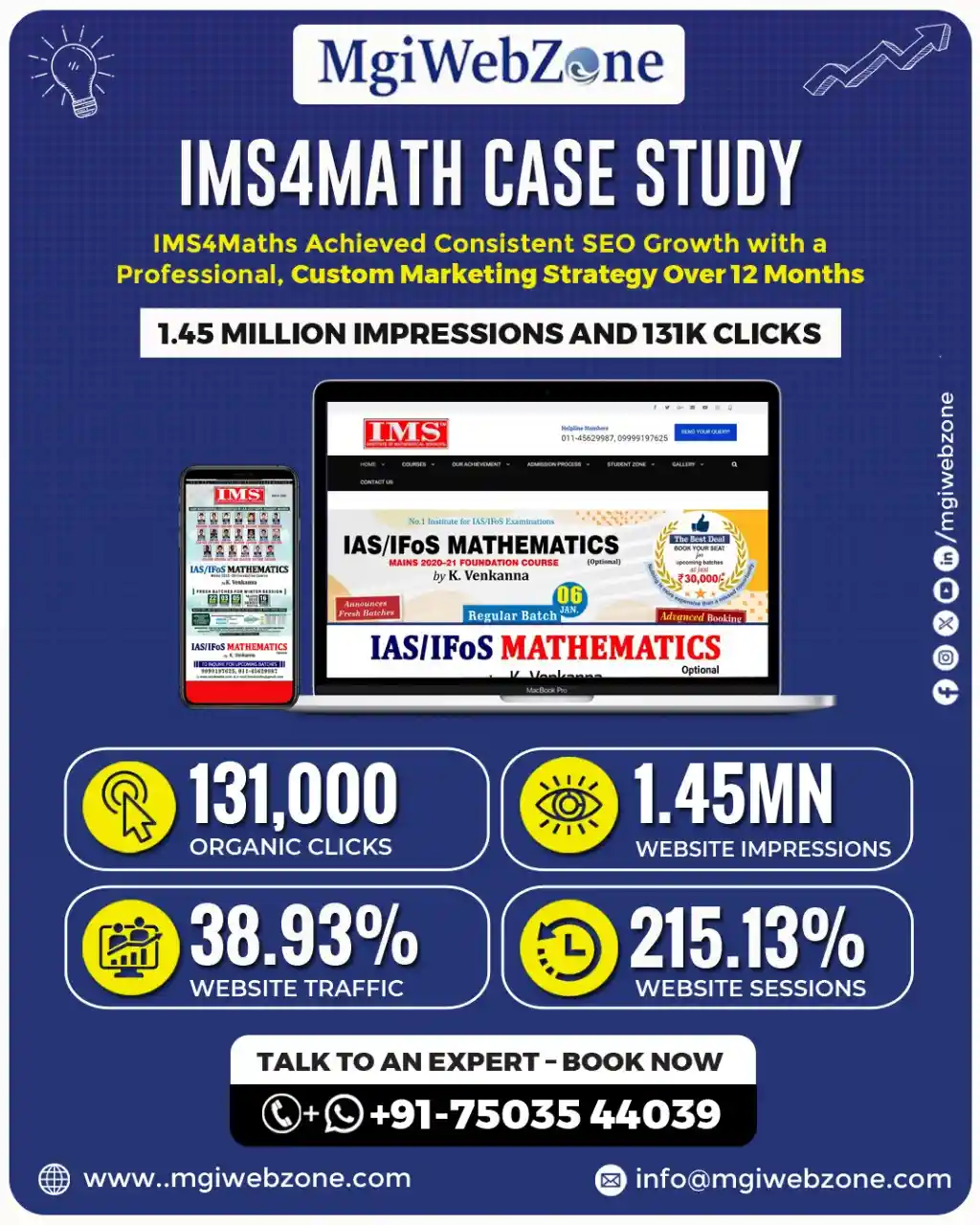
IMS4Maths — Maths Optional UPSC coaching — achieved 1.45 million impressions and 131,000 organic clicks, ranking for 7,900+ keywords. IMS4Maths case study.
Complete digital marketing guide for UPSC coaching: MgiWebzone UPSC coaching institute resource.
Performance Marketing for NEET and JEE Coaching Institutes — Reaching Both Students and Parents
Both audiences require simultaneous but separate strategies.
- For students (aged 15–18): Google Ads for active searches (“NEET 2026 coaching near me,” “JEE Main crash course June”), Instagram Ads for aspirational content showing results and faculty.
- For parents (aged 35–52): Facebook targeting within 15–20km radius. Ad copy addressing career outcome, institute reputation, faculty credentials, and success rate — not curriculum details.
The demo class is the strongest lead magnet in this segment. A landing page offering “Register for a Free Demo Class” consistently outperforms a generic enquiry form because it gives the hesitant family a low-commitment first step. The admission decision happens after the demo.
Performance Marketing for SSC, Banking, and Railway Coaching Centres
High search volume, relatively lower competition than UPSC or NEET in most Tier 2 cities. Google Ads primary channel.
The critical factor: notification-linked campaign timing. SSC CGL notification, SBI PO notification, IBPS notification — search volume spikes within 24–72 hours. Campaigns must be active and funded before the notification, not after. Being late by even 48 hours means missing the first wave of high-intent searches.
Keywords combining exam name plus city produce the most qualified traffic: “SSC CGL coaching Lucknow,” “SBI PO classes Patna fees,” “IBPS coaching near me 2026.”
Performance Marketing for CA, CS, and CMA Coaching Institutes
CA, CS, and CMA aspirants are among the most committed students in any exam category. They have made a clear career choice and are looking specifically for quality coaching.
Google Ads drives this segment effectively. Keywords: “CA Foundation coaching [city],” “CA Intermediate classes [locality],” “CS Executive coaching fees [city].”
Meta Ads are less effective here because the audience size for precise filtering is small.
ICAI exam cycles drive demand — new session openings create predictable demand spikes. Scale campaigns 8–10 weeks before each new session start date.
Performance Marketing for Defence Exam Coaching — NDA, CDS, and AFCAT
Young audience (aged 16–25) with strong family involvement in the decision. Google Ads for exam-specific searches: “NDA coaching Delhi,” “CDS coaching Pune fees.”
Meta Ads work well for patriotic-themed video content showing physical training alongside academic preparation — this format resonates strongly with the aspirational identity of defence exam students.
Seasonal peaks: NDA I notification (December–January), NDA II notification (May–June), CDS notifications twice annually. Scale campaigns around these windows.
Performance Marketing for CBSE and ICSE School Admissions
January to April is the primary campaign window. Meta Ads are the primary channel because decision-makers are parents — aged 32–48 within a defined geographic radius.
Virtual school tour video ads (60–90 seconds showing classrooms, facilities, safety features, and activities) consistently outperform static image ads.
Parents are buying a physical environment and school culture — video communicates this better than any other format.
Hyperlocal targeting matters significantly. Most parents do not send children to schools more than 5km away. Targeting parents beyond 7–8km wastes the majority of your budget.
Performance Marketing for Play Schools and Pre-Schools — Marketing to Parents, Not Children
The student is 2–5 years old. The customer is the parent. Every element of the strategy — targeting, messaging, channel choice, ad creative — must be designed for parents aged 28–40.
Meta Ads with hyperlocal targeting (1–3km radius) is the primary channel. WhatsApp Click-to-Chat Ads work exceptionally well — parents prefer asking questions directly over filling web forms.
- Content that works: safety features, qualified staff credentials, daily activity structure, diet and nutrition care, age-appropriate developmental activities.
- Content that does not work: academic achievements and exam preparation. Play school parents are buying environment and care, not academic outcomes.
Performance Marketing for Local Tuition Centres and Home Tuition
For local tuition centres covering specific subjects: hyperlocal Google Ads (2–5km radius) combined with an optimised Google Business Profile is the most cost-effective combination.
Google Maps appears before paid ads for “near me” searches on mobile. An institute with strong Business Profile optimisation and 50+ genuine reviews often generates more enquiries from Maps than from paid ads — at zero ongoing cost.
Class and subject-specific landing pages work significantly better than a generic tuition homepage: “Class 10 Maths Tuition in [Locality]” as a dedicated page, not a general “all subjects, all classes” homepage.
Performance Marketing for Overseas Education Consultants and Study Abroad Centres
Country-specific Google Ads are the foundation: “Canada study visa consultants Delhi,” “UK university admission 2026,” “study in Germany without IELTS.” These searches indicate a decision-making process already in progress.
Meta Ads work well for webinar lead generation — a free 60-minute session on visa requirements, scholarship options, or university shortlisting generates highly qualified leads because registration itself requires genuine interest. CPL for webinar registration is typically 30–40% lower than direct enquiry campaigns.
September–December is critical — international university application deadlines drive the highest search volumes. Campaign spend should peak during this window.
Performance Marketing for Online Courses and EdTech Platforms
National-level campaigns with broad geographic targeting. Google Performance Max campaigns work well for reaching diverse student profiles across India without manual city-by-city segmentation.
Retargeting is absolutely critical for EdTech. Online course buyers browse, compare, and delay decisions for weeks. Without retargeting, the majority of your ad spend introduces people to your platform who then buy from a competitor. With retargeting, you maintain visibility through the entire comparison period.
A free trial, free first module, or free mini-course consistently produces 40–60% lower CPL than “Buy Now” campaigns. Once a student completes a free module and finds value, conversion to paid is significantly easier.
Performance Marketing for Skill Development and Vocational Training Institutes
Tier 2 and Tier 3 cities are where skill development marketing has the highest growth potential and lowest competition. Meta Ads targeting young adults aged 18–28 on Instagram and Facebook.
Regional language ad copy — Hindi in UP, Bihar, and MP; Marathi in Maharashtra; Kannada in Karnataka — consistently outperforms English for this audience.
Government scheme alignment (Skill India, PMKVY) in ad messaging resonates strongly with the target demographic.
Job placement outcome data is the single most powerful content element: “87% of our students received job offers within 3 months of completing the course.” This drives more enquiries than any curriculum description.
Performance Marketing for Computer Training and IT Institutes — Getting Students Looking for Tech Skills
Google Ads primary channel with job-placement-outcome messaging. Keywords combining course name plus city: “Python training institute Delhi,” “full stack development course Mumbai,” “data science certification classes Bangalore.” Realistic CPL: ₹400–₹800 in metro cities.
Working professional targeting on Meta Ads (aged 22–35, employed, interested in tech skills) works well alongside Google. Certification outcome — “IBM certified,” “Google certified,” “placement guaranteed” — in ad copy consistently increases click-through rate over generic “learn coding” messaging.
Timing peaks: January–March (New Year learning decisions), June–August (college students between semesters), and October–November (year-end career change decisions).
Performance Marketing for Spoken English and Personality Development Institutes
Dual audience — students (aged 17–25 wanting communication skills for interviews and competitive exams) and working professionals (aged 25–40 wanting career advancement). Meta Ads work effectively for both groups with different creative and copy.
Google Ads for high-intent searches: “spoken English classes near me,” “IELTS coaching [city],” “communication skills course [city].”
WhatsApp Click-to-Chat Ads work particularly well — a spoken English enquiry converting on WhatsApp has a natural logic to it that builds immediate trust.
Demo class or free first session as a lead magnet consistently outperforms generic enquiry forms in this segment. The quality of the first learning experience determines admission at a higher rate than in most other categories.
Performance Marketing for Engineering, Medical, and Management Colleges
The decision cycle is long — students apply months before the academic year. Retargeting across a 60–90 day window is essential because the comparison phase is extended and competitive.
Course-specific landing pages for each department dramatically outperform a general admissions page. A student searching “BBA admission 2026 private college Delhi” should land on a BBA-specific page with BBA-specific placements, fees, and admission process — not a generic page covering 12 departments.
YouTube Ads showing placement results, campus life, and alumni testimonials build aspiration during the extended consideration phase. LinkedIn Ads are worth testing for MBA and executive education programmes.
The Five Types of Students Searching for Your Institute Right Now — and Why Each Needs a Different Response
Most coaching institutes treat all incoming enquiries the same way. Same call script. Same follow-up timing. Same pitch. This is where 40–50% of potential admissions are lost before anyone realises it.
Students and parents searching for coaching are not all at the same stage. They are five distinct types — and each requires a different response from both your marketing and your counselling team.
1) The Intent-Ready Student — Already Decided, Looking for the Right Institute Now
This person has made the decision to join coaching. They know the exam, the optional subject or course, and have a start date in mind. They are typing specific searches: “UPSC anthropology optional coaching Delhi fees,” “NEET coaching June batch Mumbai.” They are comparing 2–3 specific institutes.
For this student, speed of response is everything. They will enquire at multiple places within the same hour. The institute that calls back in under 10 minutes almost always wins. Your Google Ads must be active for their specific keyword, your landing page must answer their specific question immediately, and your follow-up must happen before they finish filling the next form.
CPL for this type is higher — the keyword is specific and competitive. Conversion rate from enquiry to admission is highest of any type, often 30–45% for a well-run counselling call.
2) The Comparing Student — Has Three Tabs Open and is Not Ready to Call Yet
This student or parent is in the research phase. They are reading about different institutes, comparing fees, batch schedules, faculty backgrounds, and results. They will visit your landing page. They will not fill the form on the first visit. They will leave.
Without retargeting, you lose them entirely. With retargeting, your institute stays in their awareness for the next 10–21 days — through Instagram, YouTube, and Google Display — while they are still comparing.
By the time they are ready to call, they have seen your faculty video three times, your result announcement twice, and a batch-starting-soon reminder. They call you before anyone else because you stayed visible. This type converts 10–20 days after first contact.
3) The Parent-Driven Student — The Parent is Searching, Not the Student
In NEET coaching, school admissions, play schools, overseas education, and CA coaching — the parent is often the primary searcher and the primary decision-maker. The student may not even know the parent is researching.
A Meta Ads campaign targeting only the student age group misses these parents entirely. Facebook targeting of parents aged 35–52 within a specific radius reaches them directly.
The ad copy and landing page must address parental concerns — institute reputation, faculty credentials, fee transparency, placement outcomes — not student aspirations.
Many coaching institutes targeting students for NEET coaching miss parents entirely. This typically costs 25–35% of potential admissions from this audience.
4) The Returning Visitor — Visited Your Website Once and Did Not Enquire
This is the most overlooked student type. They found you. They showed interest. They spent 3–4 minutes on your landing page, and then they left — not because they were uninterested, but because they were not ready that day.
Without retargeting, this person is gone. You spent ₹60–₹100 on the click that brought them and received nothing. With retargeting, you show them a targeted follow-up ad the next day, and the day after, for the next two weeks.
The cost of a retargeted impression is a fraction of the original click cost. Conversion rate from retargeted audiences is consistently higher than fresh traffic — because these people already know you.
5) The Referral Student — Heard Your Name from Someone, Now Verifying on Google
A student’s friend cleared UPSC with your coaching. A parent mentioned your institute at a school event. A senior at their college recommended you. They come to Google not to discover you — they already know your name. They type your institute name directly, or your name plus “reviews” or “fees” or “results.”
This search is a verification step, not a discovery step. They want to confirm what they heard is true.
If your Google Business Profile is optimised, your reviews are strong, and your website loads fast and shows real results — they enquire. If any of these is missing, they search for an alternative to confirm, and you lose a referral-sourced, high-intent student.
These students cost zero in ad spend. They require no retargeting. They just need your online presence to confirm the good word they already heard.
Understanding which type of student is coming through which channel allows your counselling team to adjust their approach immediately — and improves admission conversion without spending an additional rupee on ads.
Performance Marketing for Coaching Institutes in India — What is Different Here
Every general digital marketing guide is written for a global or Western audience. The platforms are the same — but student behaviour, communication preferences, and decision-making patterns in India are distinctly different.
Why WhatsApp Integration is Non-Negotiable for Indian Education Marketing
India has over 500 million WhatsApp users. For students and parents across every coaching category, WhatsApp is not an alternative communication channel — it is the default one.
Students ask questions on WhatsApp. Counsellors send course details on WhatsApp. Admission confirmations happen on WhatsApp.
Any performance marketing system without WhatsApp integration is missing the most important conversion step.
At minimum: a WhatsApp Business number prominently on every landing page, WhatsApp Click-to-Chat Ads running alongside Meta campaigns, and a counsellor actively managing WhatsApp enquiries from 8 AM to 10 PM.
How Student Search Behaviour Differs Between Delhi, Lucknow, and Tier 3 Cities
A Delhi UPSC aspirant searches in English, compares 5–6 institutes across multiple tabs, reads Google reviews carefully, and takes 2–3 weeks to commit. CPC is higher, competition is higher, and the comparison phase is longer.
A Lucknow aspirant may search in Hindi or Hinglish, has fewer options to compare, and prefers to call immediately rather than fill a form. A call-only ad format often performs better than a form-fill landing page in these markets.
In smaller cities and towns, Google Maps results and WhatsApp referrals drive a significant portion of enquiries — sometimes more than paid ad traffic. Google Business Profile optimisation in these markets can generate as many enquiries as a ₹25,000/month paid campaign.
Regional Language Ads vs English — When Each Works Better
Hindi ad copy consistently outperforms English for SSC, UPSC GS, school admissions, and skill development in Hindi-speaking states. The message reaches the reader in the language they think in — and that makes a measurable difference in click-through and enquiry rate.
English performs better for NEET/JEE in metro cities, CA/CS coaching, overseas education, and professional management courses. Hinglish — a natural mix — works effectively across Delhi-NCR for most coaching categories.
If your campaigns are running only in English and your primary audience is in Hindi-speaking states, testing a Hindi creative is one of the highest-return optimisations available at zero additional media cost.
Why Indian Parents Are the Real Decision-Maker in More Categories Than Most Agencies Realise
For NEET coaching, school admissions, play schools, and overseas education — the parent researches and decides. The student may not even be involved in the initial search.
Ad targeting that reaches only the student age group in these categories wastes significant budget. Parent targeting on Meta — aged 35–55, location-specific, with relevant interests — is more effective for these segments.
This simple targeting change often reduces CPL by 20–35% in parent-driven categories while improving enquiry quality simultaneously.
What Your Coaching Institute is Actually Losing by Not Running Performance Marketing — The Cost of Inaction
Most conversations about performance marketing focus on what it can deliver. This section focuses on what you are losing every month you are not running it.
How Many Students Are Searching for Your Coaching Right Now
In any Indian city with a population above 3 lakhs, there are hundreds of searches every month specifically for the coaching category your institute serves.
When someone searches “best UPSC coaching in [your city]” and you are not appearing — in paid results or on Page 1 of organic results — that search goes to your competitor. Not because they are better. Because they are visible and you are not.
Over a 6-month admission period, a UPSC coaching institute in a mid-size city that is not appearing in search results typically misses 200–500 potential enquiries. At a 25–30% enquiry-to-admission conversion rate, that is 50–150 admissions. At ₹60,000 average course fee, that is ₹30 lakhs to ₹90 lakhs in revenue — going to whoever is visible.
What Large EdTech Platforms Are Spending — And What It Means for Your Institute
Large EdTech platforms — Unacademy, Physics Wallah, BYJU’s, Adda247, Testbook — collectively spend crores every month on Google Ads, Meta Ads, and YouTube Ads in exactly the categories where local coaching institutes operate.
When a student searches “UPSC coaching online” or “NEET preparation app,” these platforms appear first. When a student searches “best NEET coaching Mumbai,” they appear there too — because they run local intent ads alongside national brand campaigns.
A local institute with stronger faculty, better results, and more personalised teaching loses students to these platforms every month — not because the platform is better, but because it is more visible at the moment of search.
The one advantage a local institute has is hyperlocal specificity. A student searching “UPSC optional coaching near Karol Bagh Delhi” is not looking for a national platform. They want a local institute they can physically attend. That hyperlocal search is yours to win — but only if you are appearing for it.
Your Competitor Started Ads Three Months Ago — What That Means for Your Next Batch
Two competing UPSC coaching institutes in the same city. Similar faculty quality. Similar fees. Similar track record. One started Google Ads 12 weeks before the July batch. The other is planning to start next week.
The institute that started 12 weeks ago has already: completed the learning phase and is generating enquiries at optimised CPL; built a retargeting list of 800+ interested students; accumulated 30 new Google reviews from the previous batch; published 4 SEO-optimised articles that are now ranking on Page 2.
The institute starting next week will spend 3–4 weeks in the learning phase, paying higher CPL for lower-quality results, with no retargeting audience, no SEO content supporting the paid effort.
Both institutes will spend the same amount on ads for the July batch. The one that started earlier will fill it. The one that started late will wonder why results were disappointing.
The best time to start performance marketing for your next batch was 12 weeks ago. The second best time is today.
How to Read Your Performance Marketing Report — What Coaching Owners Must Track Every Month
Most coaching institute owners are receiving reports that look professional but contain no actionable information. Impressions, reach, CTR, page likes — these are activity metrics. They tell you what happened with the ad. They tell you nothing about what happened with actual enquiries and admissions.
The Five Numbers Every Institute Owner Must Check Every Week
1) Number of enquiries from paid ads — form fills plus tracked phone calls. This is the primary output metric. Everything else is secondary.
2) Cost per enquiry — total ad spend divided by total enquiries. is this number moving in the right direction week over week?
3) Enquiry-to-demo conversion rate — how many of this week’s enquiries actually attended a demo class or counselling session?
4) Total ad spend vs budget — is the daily budget running out before evening? is monthly spend tracking against the plan?
5) Week-over-week trend — is CPL going up, down, or stable? is enquiry volume growing, shrinking, or flat?
Impressions, CTR, and reach are useful only for diagnosing problems. They are not primary success indicators.
Why 1,200 Clicks and 8 Enquiries Signals a Landing Page Problem, Not a Traffic Problem
A 0.6% click-to-enquiry conversion rate is an unambiguous signal — something is wrong with the page the traffic is landing on, or targeting is bringing in the wrong visitors.
1,200 clicks at ₹50 per click equals ₹60,000 spent. 8 enquiries at ₹7,500 each. In any coaching category, that CPL is not sustainable.
The diagnosis: rebuild the landing page, tighten the targeting, and check that ad copy matches search intent. Adding more budget to this situation produces more of the same outcome at higher cost.
Five Red Flags in a Performance Marketing Report That Most Coaching Owners Do Not Catch
- Red flag one — Impressions and reach are the headline metrics, with enquiry count buried or absent. If your agency cannot tell you how many form fills and tracked calls came from paid ads this month, they are not tracking what matters.
- Red flag two — Every form fill is called a “lead” without qualification. Junk submissions — wrong numbers, out-of-city visitors, accidental clicks — are not enquiries. If your agency cannot distinguish genuine interest from noise, they are reporting inflated numbers.
- Red flag three — The negative keyword list has not been updated in 30+ days. An active Google Ads campaign generates new irrelevant search term data every week. Campaigns without regular negative keyword additions are quietly burning budget on searches that could never produce a genuine enquiry.
- Red flag four — The report presents the same metrics in the same format every month with no identified problems and no planned improvements. Active management means finding issues and solving them. A report that never mentions a problem is not looking for them.
- Red flag five — Budget utilisation (100% spent) is reported as a positive metric. Spending all your budget is not an achievement. Generating enquiries within your target CPL range is.
Freelancer vs Agency for Coaching Institute Paid Ads — What Nobody Actually Tells You
This is the honest comparison most agencies avoid making. We will address it directly.
What a Freelancer Can and Cannot Do for a Coaching Institute
A good freelancer can set up a Google Ads campaign correctly. They can manage Meta Ads. They understand basic campaign management. They are often available at ₹10,000–₹12,000/month — significantly less than an agency.
What a freelancer typically cannot do: manage a multi-channel campaign (Google + Meta + YouTube + retargeting) simultaneously with consistent daily attention.
Provide team-based continuity — if they are travelling or unwell, your campaign may go unmonitored for days. Build and test dedicated landing pages alongside running ads. Align campaign strategy to your specific admission calendar across quarters.
Most coaching owners who come to us have already spent 3–4 months and ₹60,000–₹1,20,000 in ad budget with a freelancer with little to show for it. The management fee saving costs far more in wasted ad spend and missed admission seasons.
How MgiWebzone’s Approach Compares — An Honest Side-by-Side
Freelancer | Generic Digital Agency | MgiWebzone | |
Monthly Management Fee | ₹10,000–₹15,000 | ₹15,000–₹25,000 | ₹15,000–₹25,000 |
Education sector expertise | Rarely | Sometimes | Always — education only |
Daily campaign monitoring | No | Inconsistent | Yes, every day |
Conversion tracking from Day 1 | Often missing | Sometimes | Always |
Dedicated landing page in setup | No | Rarely | Yes |
AI video reels for Meta (monthly) | No | No | Yes — 1 at setup + 1 per month |
A/B landing page testing | No | Rarely | Yes, from Month 2 |
Retargeting (Display + YouTube + Meta) | Rarely | Sometimes | Yes |
Monthly report with actual enquiry data | No | Basic | Clear, plain language |
Coaching-specific keyword strategy | No | Yes | Yes |
Understands exam cycles and admission seasons | No | No | Yes |
Real case studies with actual admission numbers | No | Rarely | Yes |
Five Questions Every Institute Owner Must Ask Before Signing a Performace Marketing Agency
- Question one — Which coaching institute categories have you worked with, and can I speak directly to one of those clients?
- Question two — Can you show me actual enquiry numbers — not clicks, not impressions — from a campaign you managed for a similar institute?
- Question three — Do you build a dedicated landing page for my course, or do you send traffic to my existing website?
- Question four — What does daily monitoring look like — what do you check, how often, and how quickly do you respond when something is not working?
- Question five — What is the minimum contract period and what are the exit conditions if results are not meeting expectations after the first 60 days?
What MgiWebzone Takes Responsibility For — and What It Cannot Control
- We take full responsibility for: building your campaign correctly from Day 1, daily monitoring and data-based adjustments, writing and testing ad copy and landing pages specifically for your course, running retargeting so interested students do not disappear, keeping ad budget and management fee completely separate and transparent, and sending you an honest monthly report in plain language — not a data dump.
- What we cannot control: whether a student joins after enquiring. That depends on how quickly your team calls back, how the counsellor handles the conversation, whether your course format suits the student, and your fee competitiveness against local alternatives. These are outside our control.
Admissions are the result of two things working together — a marketing system that brings genuine enquiries, and a counselling process that converts them. We handle the marketing side completely. The conversion after enquiry arrives is a shared responsibility.
We will never promise a fixed number of admissions, any agency that does is not being honest with you.
Why the Cheapest Agency Almost Always Becomes the Most Expensive Decision
A coaching institute that saves ₹12,000/month on management fees by hiring a low-cost agency — while spending ₹60,000/month on ad budget that generates no usable enquiries — has not saved money.
Over four months, that is ₹2,40,000 in ad budget and ₹48,000 in management fees for a missed admission season and no filled batches.
The real cost of cheap marketing is not the agency fee. It is the wasted ad spend, the lost season, and the time and budget it takes to start over.
How cheap marketing costs coaching institutes more in the long run.
AI Search — The New Channel Where Students Are Finding Coaching Institutes That Most Agencies Have Not Noticed Yet
This development is already changing how students discover coaching institutes — quietly, consistently, and in ways that traditional SEO and paid ads do not address. Most digital marketing conversations in India have not caught up to it yet.
What Happens When a Student Types “Best UPSC Coaching in Delhi” into ChatGPT or Gemini
The AI generates a direct answer — sometimes with specific institute names, sometimes with selection criteria. That answer does not come from a Google search.
It comes from the AI’s training data: websites, published articles, review platforms, authoritative educational content, and forum discussions.
If your institute has not been mentioned in these sources — if your website content is thin, generic, or unstructured — you are invisible in AI-generated answers.
As more students in the 18–28 age group that dominates UPSC and JEE coaching searches use AI assistants for initial research, that invisibility has real consequences for enquiry volume.
Google AI Overviews — Why Appearing There Matters More Than Page 1 Rankings in 2026
Google AI Overviews now appear above the first organic search result for a growing range of education-related queries.
When a student searches “how to choose a UPSC coaching institute,” Google may display an AI-generated summary at the very top — above all paid ads and organic listings.
If your content is cited in that AI Overview, you gain visibility above your paid ads. If it is not, you may rank third in organic results and still be bypassed by three AI citations shown above you. This is a meaningful shift in how search results are consumed — and it is accelerating.
GEO and AEO — What These Mean and Why They Matter for Coaching Institutes in 2026
GEO (Generative Engine Optimization) means structuring your content to appear in AI-generated answers from ChatGPT, Gemini, and Perplexity.
AEO (Answer Engine Optimization) means structuring your content to provide direct answers to specific questions so that Google’s AI systems and featured snippets pull from your pages.
Both require deliberate content structure: FAQ format with direct answers, cited statistics, authoritative writing, and clear heading hierarchy.
Coaching institutes investing in this structure now — when most competitors are not — have a meaningful first-mover advantage.
How to Make Your Coaching Institute Content Appear in AI Search Results — Practical Checklist
- One — Write dedicated FAQ content for every course page. Each question answered in the first sentence, in 50–80 words. Google AI Overviews and ChatGPT both favour this format for citation.
- Two — Add structured data (Schema markup) to your pages — “Educational Organization” and “Course” schema specifically. This is technical but straightforward to implement on WordPress.
- Three — Publish factual, citation-worthy content. Real admission numbers, verified exam statistics, faculty credentials. AI systems are more likely to cite content that makes specific, verifiable claims than content that uses generic language.
- Four — Get mentioned on external, authoritative platforms — education directories, coaching review sites, local news mentions. AI training data includes these sources.
- Five — Maintain Google Business Profile with complete information, recent reviews, and regular posts. AI assistants increasingly reference structured business data when answering “best coaching near me” type queries.
At MgiWebzone, GEO and AEO signals have been integrated into education client content strategies since 2024 — one area where institutes working with us now hold a structural advantage over competitors focused only on traditional search rankings.
SEO and AI search visibility services for education institutes.
Real Results — What Performance Marketing Has Done for Education Institutes We Have Worked With
These are not illustrative examples. They are verified numbers from actual institutes across India, documented in our case study records.
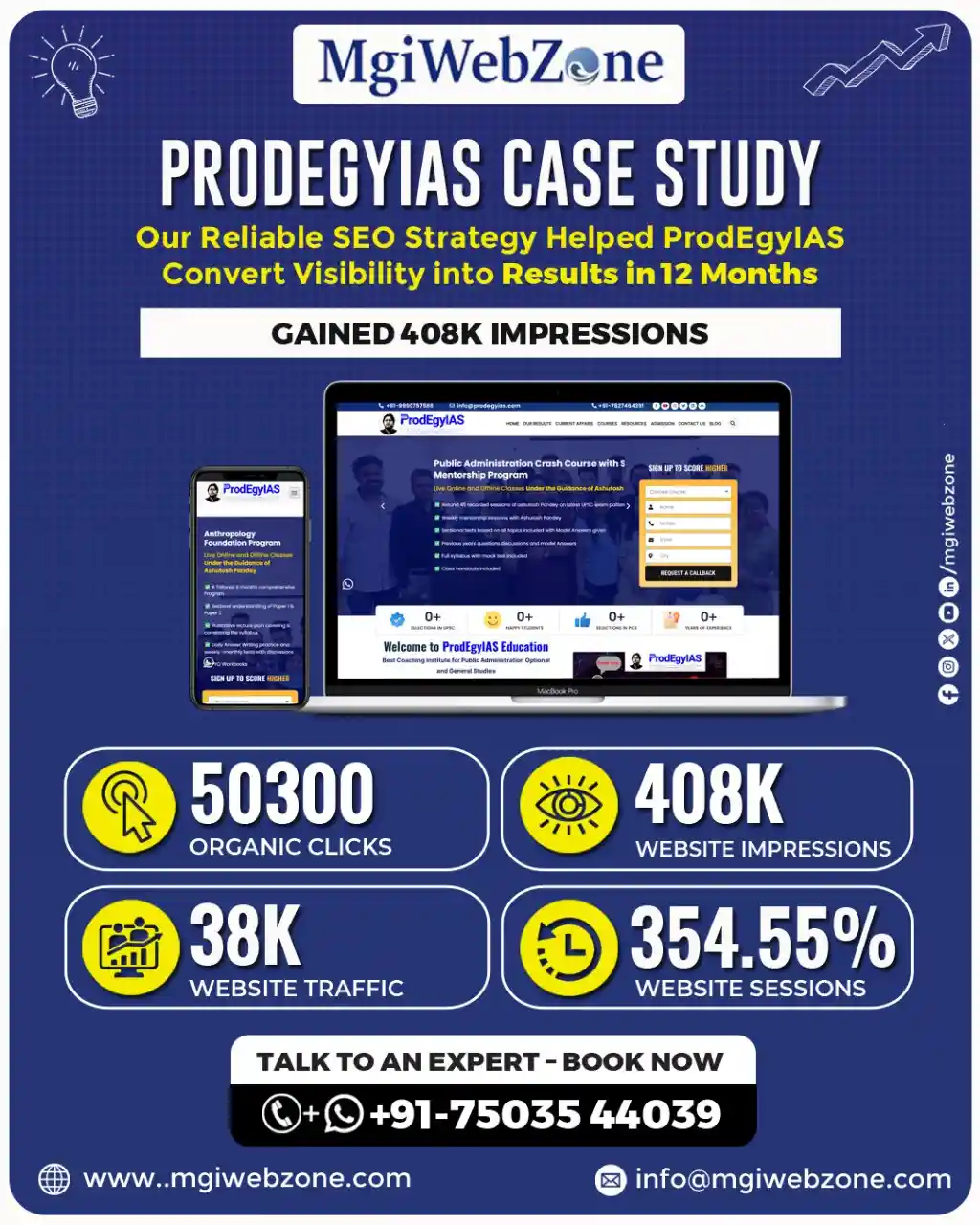
How ProdEgyIAS Went from 4 Admissions to 250 — A Campaign Rescue Story
ProdEgyIAS came to us with a Google Ads campaign already running — but producing almost nothing.
Metric | Before MgiWebzone | After MgiWebzone |
Monthly Clicks | 361 | 10,544 |
Click-Through Rate | 3.95% | 11.62% |
Cost Per Click | ₹73 | ₹52 |
Cost Per Admission | ₹6,617 | ₹2,209 |
Admissions Per Period | ~4 | 250 |
CPA Reduction | — | 66.6% lower |
What we changed: keyword structure completely rebuilt with subject-specific, intent-based terms. 200+ negative keywords added to stop irrelevant click wastage. Landing page rebuilt — faculty photograph, batch dates, and a clean enquiry form. Follow-up response time improved to under 5 minutes.
Both the June batch (150 students) and the October batch (100 students) were filled entirely through Google Ads. The campaign was not failing because of Google. It was failing because the system around the campaign was broken. We fixed the system.
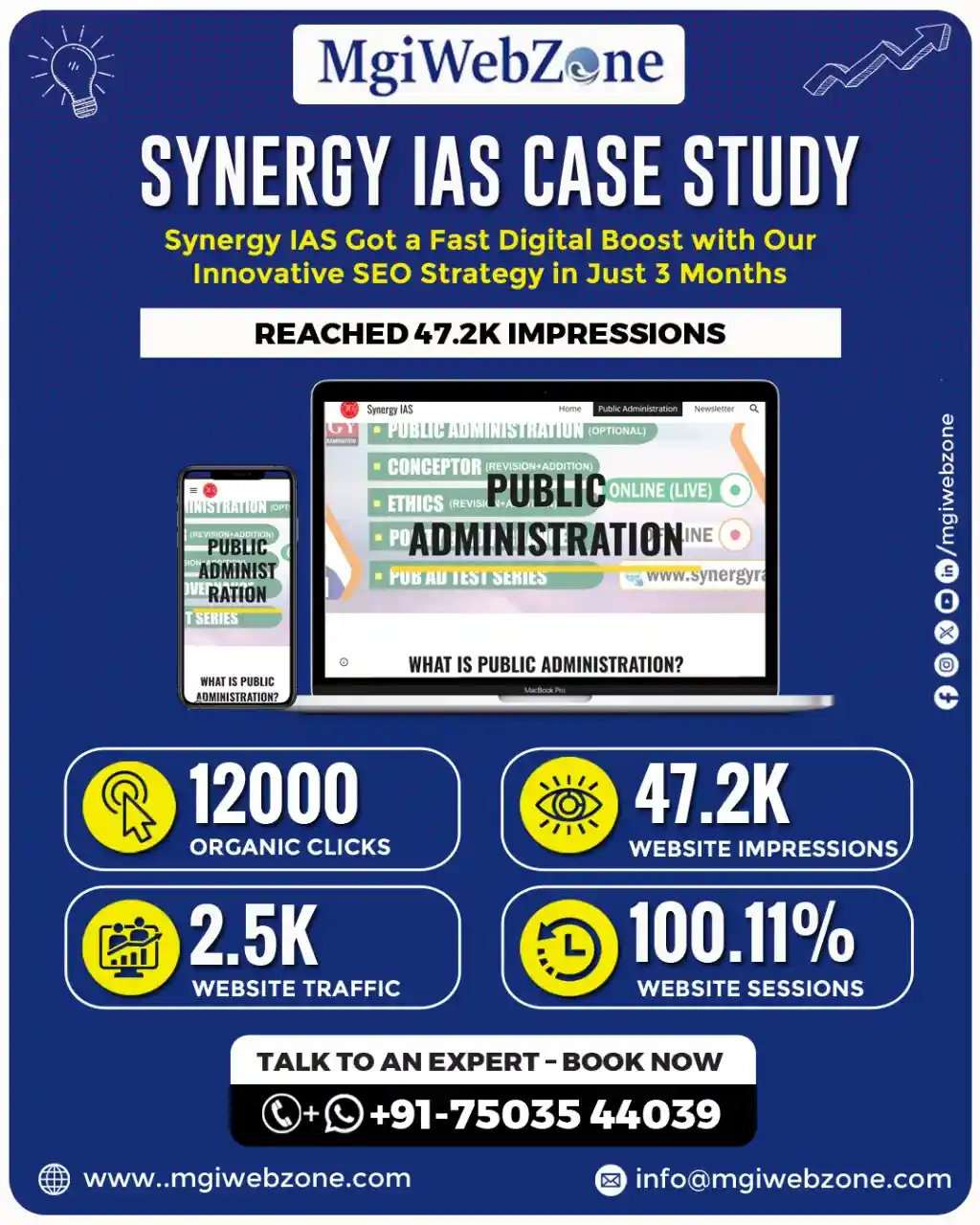
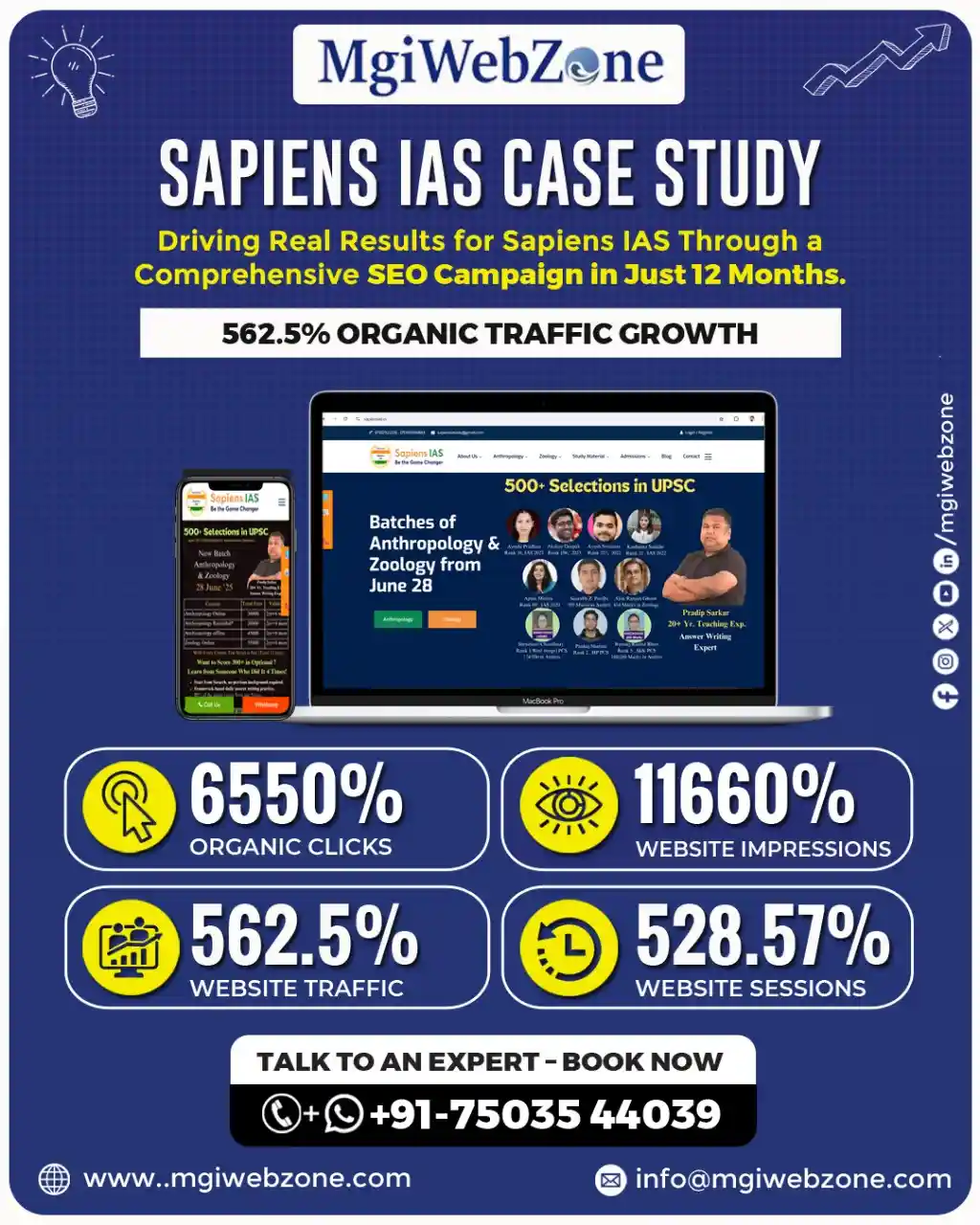
How Sapiens IAS Grew from 75 Students to 560 Admissions
Sapiens IAS came to us with strong faculty and a proven curriculum, but low online visibility and inconsistent enquiry flow. We built a combined Google Ads and SEO strategy with dedicated landing pages for each course category.
Over the campaign period: 3.28 million impressions, 137,000 clicks, and 560 admissions across 7 batches. Blended cost per admission across organic and paid: ₹2,522. Full Sapiens IAS case study.
How IMS4Maths Ranked for 7,900+ Keywords Through Structured SEO and Content
IMS4Maths is a specialist Maths Optional coaching institute for UPSC. We built a content and SEO strategy targeting long-tail keywords across every dimension of Maths Optional preparation — syllabus breakdown, previous year analysis, study strategy, and batch information.
Results: 1.45 million impressions, 131,000 organic clicks, 7,900+ keywords ranked, with top-10 keyword positions growing by 394%. Full IMS4Maths case study.
DIAS India — 12,500% Visibility Growth from Near-Zero Online Presence
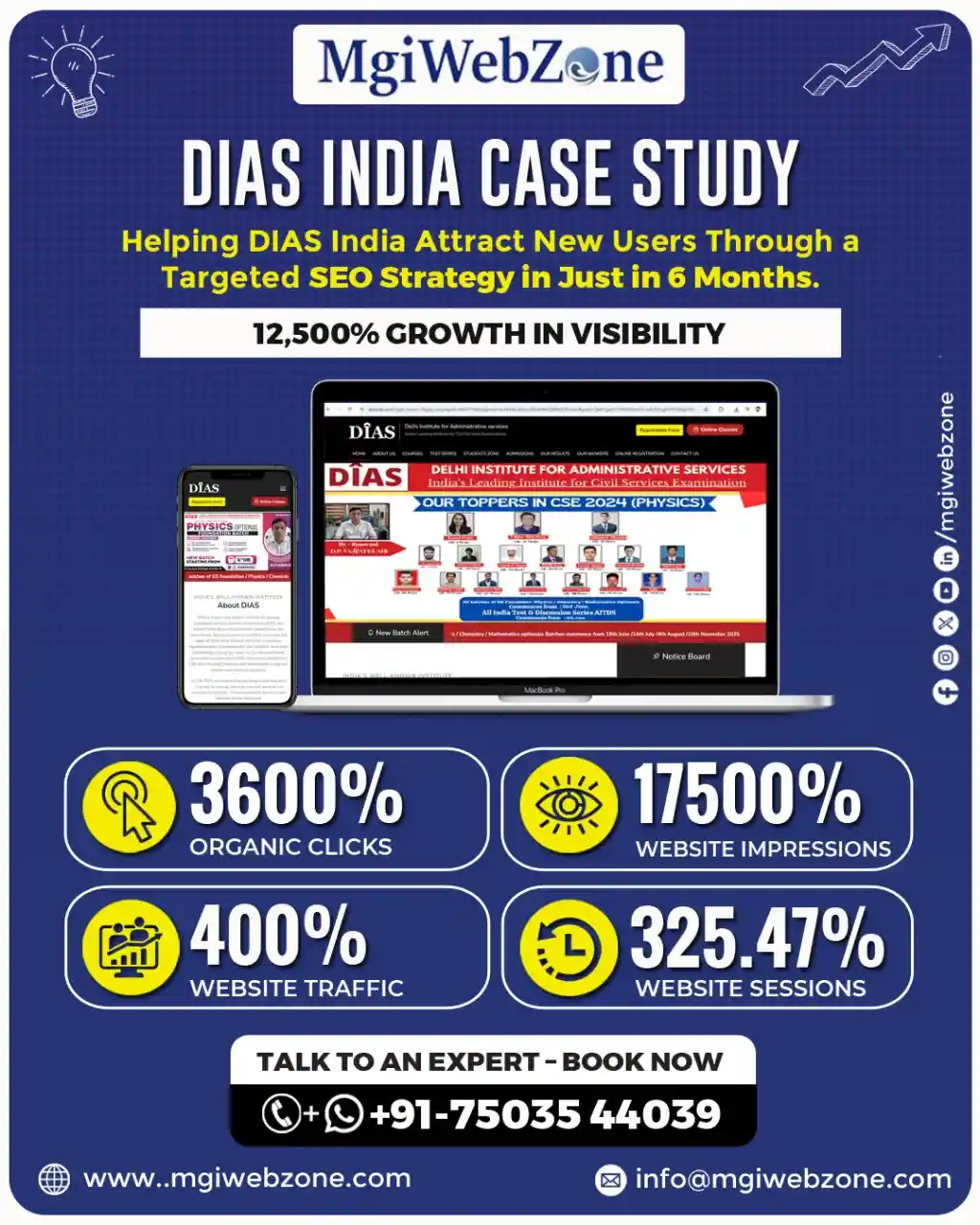
DIAS India achieved 12,500% visibility growth and 3,600% click growth through a structured combination of SEO, targeted content, and paid campaign work. Starting from near-zero digital presence, this was a complete online transformation across 12 months of consistent execution.
How to Start Performance Marketing for Your Coaching Institute — A Realistic Step-by-Step Plan
If you have read this far, you already understand what a structured performance marketing system looks like. Here is how to build it.
Step 1 — Audit What is Already Online Before Spending Anything New
Check your Google Business Profile — is it claimed, complete, and accurate? Check your existing website — how does it load on a phone on a 4G connection? If you have any existing ad accounts, check what has been spent and what enquiry data exists.
Most institutes have something already running. Audit before rebuilding. You may find specific fixes produce results faster than starting from scratch.
Step 2 — Set One Clear, Specific Admission Goal for the Next 90 Days
Not “get more students.” Something specific: “Fill 45 seats in the UPSC GS batch starting 15 July.” Everything that follows — budget, channel, targeting, messaging — is determined by this one goal.
Step 3 — Build the Landing Page Before the First Ad Goes Live
The sequence matters. Ads bring traffic. The landing page converts it. Launching ads without a dedicated landing page is building a tap without a bucket. Do the landing page first, always.
Coaching institute landing page design.
Step 4 — Choose One Primary Channel First, Then Expand
If the course has active Google search demand (UPSC, NEET, SSC, CA) — start with Google Ads. If the audience needs to be created rather than captured (school admissions, play schools) — start with Meta Ads. Do not split a limited budget across multiple channels simultaneously. Own one channel, make it work, then expand.
Step 5 — Set Up Call Tracking and WhatsApp Integration Before Any Ad Goes Live
Without call tracking, you cannot know which keyword produced which enquiry. Without WhatsApp integration, you are missing the primary first-contact channel for most Indian students and parents. Both are non-negotiable preconditions for any education campaign.
Step 6 — Review Weekly, Optimise Monthly, Plan Quarterly
- Weekly: Enquiry count and cost per enquiry. is the daily budget running out before evening?
- Monthly: Full audit — which keywords are producing, which are wasting, what negatives need to be added, does the landing page need changes?
- Quarterly: Campaign strategy review aligned to the next admission season phase. What batch is starting next quarter, and how does the campaign need to shift to support that target?
Frequently Asked Questions — Performance Marketing for Educational Institutes
What is performance marketing for educational institutes?
Performance marketing for educational institutes means running paid ad campaigns — Google Ads, Meta Ads, YouTube Ads, and retargeting — where every rupee is tracked against a measurable outcome: student enquiries and admissions. Unlike general digital marketing where you pay for impressions or reach, every campaign decision is made based on what produces the most genuine enquiries at the lowest sustainable cost for your specific institute category.
How is performance marketing different from digital marketing for a coaching institute?
Performance marketing is the paid, trackable, result-optimised component of digital marketing. Digital marketing is the broader category that includes SEO, social media, content, and email marketing. A coaching institute needs both: performance marketing for immediate batch filling, and broader digital marketing for long-term organic enquiry growth that reduces paid ad dependency over 12–18 months. The two work together, not as alternatives.
Which is better for coaching institutes — Google Ads or Meta Ads?
For coaching categories with active search demand — UPSC, NEET, JEE, SSC, CA — Google Ads is usually the stronger starting channel because it captures students already searching with clear intent. Meta Ads work better for school admissions, play schools, and overseas education, where the audience must be reached before they start searching. For most competitive exam coaching, both channels running simultaneously produces better results than either alone.
How much should a coaching institute spend on Google Ads in India?
Budget depends on category and city.
- Local tuition centres: ₹15,000–₹30,000/month.
- UPSC coaching in metro cities: ₹50,000–₹2,00,000/month.
- NEET/JEE coaching: ₹40,000–₹1,50,000/month.
- SSC coaching in Tier 2 cities: ₹20,000–₹60,000/month.
These are starting ranges. Actual requirements depend on your city’s competition level, how many enquiries you need monthly to fill the batch, and landing page quality.
What is a realistic cost per lead for a coaching institute in India?
Realistic CPL ranges based on actual campaigns:
- Local tuition ₹250–₹500;
- Play school/pre-school ₹200–₹450;
- UPSC coaching metro ₹1,200–₹2,500;
- NEET/JEE coaching metro ₹1,000–₹2,200;
- SSC/Banking Tier 2 city ₹400–₹800;
- CA/CS coaching ₹600–₹1,200;
- School admissions ₹400–₹900;
- Overseas education ₹1,500–₹4,000.
Whether your CPL is acceptable depends entirely on your course fee and your enquiry-to-admission conversion rate.
How long does Google Ads take to show results for a coaching institute?
First enquiries typically appear within 3–7 days of a campaign going live. The first 2–4 weeks are the learning phase — results are 40–60% lower than what the same campaign produces once fully optimised. Stable, consistent enquiry flow begins in weeks 4–8. This is why starting 10–12 weeks before your batch date produces significantly better results than starting when the admission window is already open and urgent.
Why are my Google Ads getting clicks but no enquiries?
This is almost always a landing page problem. If ad traffic is going to your website homepage rather than a dedicated course-specific landing page, most visitors leave within 8–12 seconds because they cannot find what the ad promised. Check three things immediately: where does the ad traffic actually land, how fast does that page load on a phone, and is there a clear enquiry form visible without scrolling? Fixing the landing page resolves this in the majority of cases.
What is a landing page and why does a coaching institute need one for ads?
A landing page is a single web page built for one purpose only — generating an enquiry for one specific course or batch. Unlike a website homepage, it has no navigation menu, no course catalogue, and no links to other pages. Education landing pages typically convert 6–15% of visitors into enquiries, compared to 1–2% for homepage traffic. On any meaningful ad budget, this difference in enquiry volume is substantial.
Should coaching institute ad traffic go to the website or a landing page?
Always a dedicated landing page. A homepage is built to give information about the entire institute — that is a different goal from generating a specific enquiry. On ₹50,000 monthly ad budget, the difference between homepage traffic (1–2% conversion) and landing page traffic (6–12% conversion) is the difference between 15 enquiries and 60–90 enquiries from identical spend. The landing page is not optional — it is the most important part of any ad campaign.
What is retargeting and should coaching institutes use it?
Retargeting shows ads to people who already visited your landing page but did not enquire. Since 70–80% of visitors leave without enquiring on the first visit, retargeting brings them back during the 1–3 weeks they spend comparing institutes. Every coaching institute running paid ads should have retargeting active. It costs 30–50% less per enquiry than fresh campaigns because you are reaching a warm audience that already knows you.
Can a new coaching institute with no brand name use performance marketing?
Yes. Google Ads works on search intent — the student is looking for a solution, your ad offers one. Brand recognition matters less than clear messaging, a well-built landing page, and fast follow-up after enquiry. New institutes with zero online reputation generate genuine enquiries from the first week of a properly structured campaign, even before they have a strong review count or brand presence.
How many student enquiries can a coaching institute get from Google Ads per month?
This varies significantly. As rough estimates: ₹50,000/month for UPSC coaching in Delhi might produce 25–45 enquiries in an optimised campaign. ₹30,000/month for SSC coaching in a Tier 2 city might produce 40–80 enquiries due to lower competition. These are estimates — actual results depend on landing page conversion rate, campaign structure, city competition, and how long the campaign has been running.
Should a coaching institute run ads only during admission season or throughout the year?
A combination produces the best results. During admission season — high-intensity performance ads at full budget. During off-season — reduced spend on SEO content, Google Business Profile, and YouTube presence that builds the pipeline for next season. Going completely dark between seasons means re-entering the next admission window with no campaign momentum and spending 2–4 weeks in the learning phase again during the most critical enquiry window.
What metrics should a coaching institute track in a performance marketing campaign?
The five that matter most: number of enquiries from paid ads per week (form fills plus tracked calls), cost per enquiry, enquiry-to-demo conversion rate, total ad spend versus planned budget, and week-over-week trend direction. Impressions, CTR, and reach are useful for diagnosing problems but are secondary. If your agency reports these as the headline numbers without actual enquiry data, ask directly how many form fills and tracked calls came from paid ads this month.
Can a digital marketing agency guarantee admissions through performance marketing?
No ethical agency can guarantee admissions. Admissions depend on follow-up speed, demo class quality, counsellor effectiveness, and fee competitiveness — none of which the agency controls. What an agency can and should commit to: a target enquiry volume or maximum CPL range based on your budget and category. Any agency guaranteeing specific admission numbers either does not understand the business or is not being honest with you.
What is the difference between a freelancer and an agency for coaching institute performance marketing?
A freelancer manages campaigns individually at lower cost but typically cannot handle multi-channel campaigns with consistent daily management or team-based continuity. An agency provides structured daily management, education-specific strategy, multi-channel coordination, and team continuity. For coaching institutes running Google Ads, Meta Ads, and retargeting simultaneously — aligned to a specific admission calendar — the structural depth of an agency matters meaningfully.
Why did my coaching institute ads suddenly stop giving results?
The most common reasons: daily budget exhausted before evening searches begin, the campaign entered a new learning phase after a recent change was made, a competitor increased their bids, the landing page was altered or is loading slowly, or seasonal search demand naturally dropped for your category. Most of these are diagnosable within 48 hours. An active management team should identify and address this within 24 hours of the pattern appearing in data.
What are Google AI Overviews and how do they affect coaching institute marketing?
Google AI Overviews are AI-generated summaries that appear above organic search results for many education queries. If your content is cited in these overviews, your institute gains visibility above paid ads and organic rankings. Structuring content in FAQ format with direct answers, citing specific statistics, and using clear headings is the primary method for appearing in AI Overviews. This is increasingly important for education marketing visibility in 2026.
Can performance marketing work for coaching institutes in Tier 2 and Tier 3 cities?
Yes — and it often works better per rupee than in metro cities because competition is lower. CPL in Tier 2 cities is typically 35–55% lower than Delhi or Mumbai for equivalent coaching categories. The strategy adjusts — more emphasis on Google Maps, WhatsApp Click-to-Chat Ads, and sometimes regional language ad copy — but the fundamentals work effectively in any city with meaningful student population.
Do I need a website to start performance marketing for my coaching institute?
No. A dedicated landing page is sufficient. MgiWebzone builds a landing page for your specific course as part of campaign setup. You do not need a full website to begin generating enquiries from Google Ads or Meta Ads — and a well-built landing page typically converts better than most coaching institute websites, because it is designed for one specific goal.
What is the minimum daily budget for Google Ads to see consistent results?
For a medium-competition category in a Tier 2 city: ₹1,000–₹1,500/day as a workable starting minimum. For a competitive category in a metro city — UPSC in Delhi, NEET in Mumbai: ₹1,500–₹2,500/day minimum. Below these thresholds in competitive markets, the daily budget runs out before evening search hours when the most serious students are online — making results inconsistent and optimisation difficult.
Can performance marketing work for coaching institutes teaching in vernacular or regional languages?
Yes — and in many categories, regional language campaigns significantly outperform English. Hindi ad copy for UPSC GS coaching in UP and Bihar, Marathi for Maharashtra, Kannada for Bangalore coaching centres — all consistently show better click-through and enquiry rates than English campaigns for the same audience. The reason is simple: the message reaches the reader in the language they actually think in. If campaigns are running only in English for a Hindi-speaking audience, a regional language test version is one of the highest-return optimisations available at zero additional media cost.
Your Coaching Institute Has Strong Teaching. The Students Should Know It.
If you have read through this guide, you understand why most coaching institute marketing fails — and what a structured, admission-focused approach actually looks like.
The institutes that fill their batches consistently are not doing something dramatically different from you. They have the same competition, the same students searching online. What they have is a system that works — the right channels, landing pages built for conversion, campaigns aligned to their admission calendar, follow-up that happens within minutes, and monthly data they can actually act on.
At MgiWebzone, we have spent 12 years working specifically with education institutes — UPSC coaching, NEET coaching, SSC coaching, school admissions, EdTech platforms, overseas education, skill training centres across India. We understand how coaching admissions work, what students are searching for, when to scale and when to pull back, and what genuinely good performance marketing looks like for your specific category.
We offer a free 30-minute strategy discussion — not a sales call, not a pitch. We will understand your course, your city, your current situation — and give you an honest picture of what a realistic approach looks like for your specific goals. No obligation. No commitment. Just straight, useful answers.
Explore our PPC packages | SEO packages | Lead generation guide for coaching institutes | Indian Education Marketing Statistics Report
Data-driven Digital Marketing Results for UPSC/IAS Coaching Institutes
Share this :

MgiWebzone
Passionate about SEO, content, and everything that helps businesses grow online.
Read All Post
Content Marketing for UPSC Coaching — Building Trust Before the Aspirant Even Calls
Popular Categories
How Can We Help?
Discover tailored solutions to grow your business and achieve lasting success.
Our Service
Our Latest Post





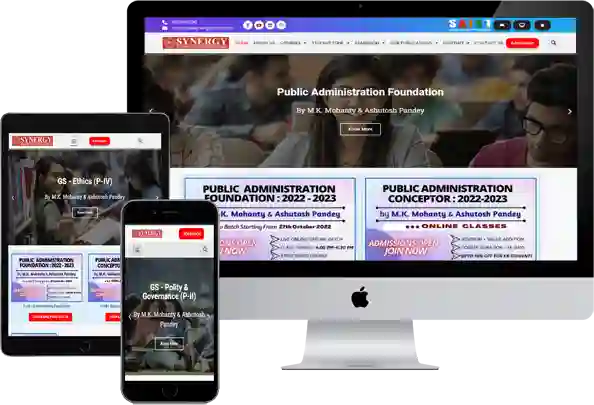
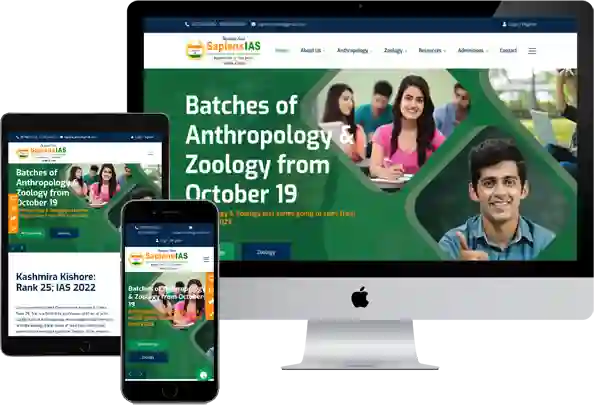
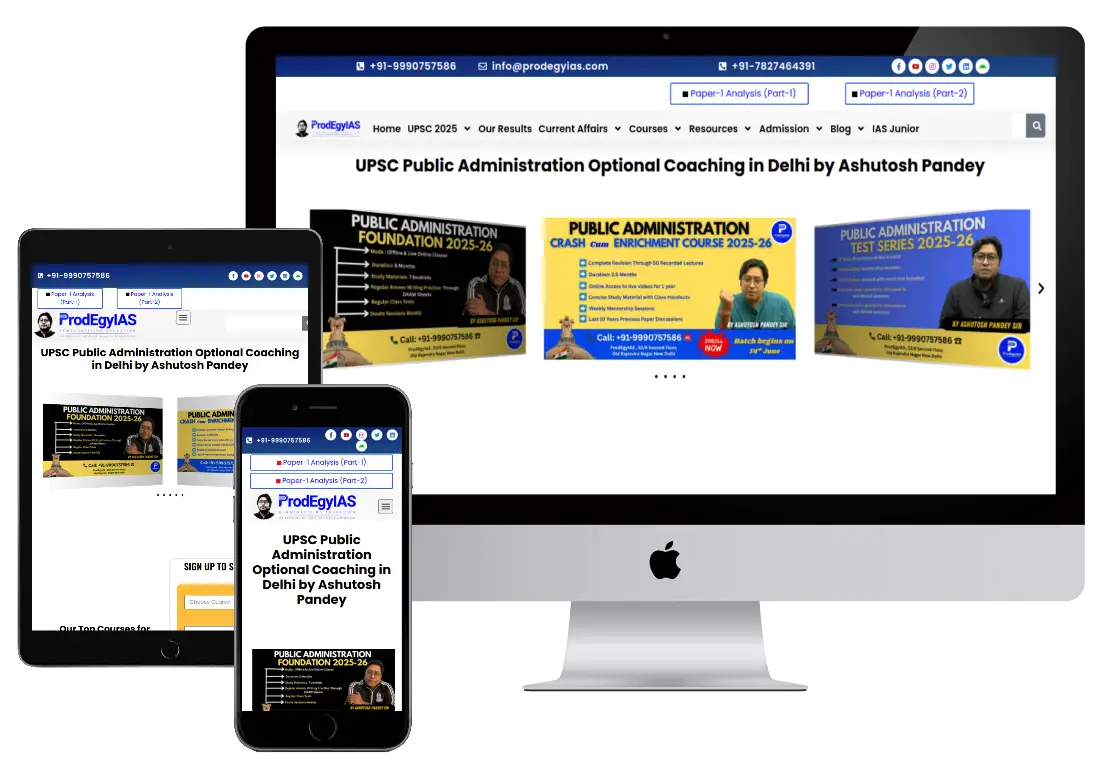
FOLLOW US ON
Facebook
Twitter
LinkedIn
Pinterest
WhatsApp
Skype
SEO Insights, Tips & Trends from Our Blog
Lead Generation for Coaching Institutes: Complete Data-Driven Guide (SEO, Ads, AI & Student Enrollment Strategy)
Fill Your Coaching Batches with Predictable Leads Data-driven student acquisition strategy SEO, Ads & AI combined High-intent enquiries,

Indian Education Marketing Statistics Report 2026: SEO, PPC, AI, Lead Generation & ROI Trends
Indian Education Marketing Stats 2026 Every Institute Owner Must Know Real Data on Student Search Behaviour SEO, PPC
Website Design for Coaching Institutes and Education Institutes in India — The Complete Guide (2026 Edition)
Your Coaching Website is Not a Brochure — It’s Your Admission Engine Why Coaching Websites Fail to Convert
UPSC Optional Subject Coaching Market Report 2026: Complete Data on All 25 Subjects, Market Size, Toppers, and Trends
UPSC Optional Coaching Market Report Every Institute Owner Must Read Real Market Size Behind Each Subject 25 Subjects
How Big is the UPSC Coaching Market in India: Official Data, Student Segments, Revenue Estimates, and Growth Trends (2026)
The Complete UPSC Coaching Market Guide for Institute Owners Real Market Numbers Most Owners Miss 6 Student Segments
Best Digital Marketing Agency for UPSC Coaching Institutes in India (2026 Guide)
Before You Hire Any Marketing Agency Read This UPSC Marketing Guide Why General Agencies Waste Your Budget The
Trusted and Affordable Digital Marketing Company in Delhi, India
- Latest Marketing Strategy
- Affordable Service Packages
- Improve User Experience
- Quality & Organic Traffic
- Transparent Progress Report
- Certified Professionals Expertise
Request a Quote
5/5 - (20 votes)


